Quick Answer
-
You earn from rent and from price growth.
-
At the UK average price, an English buy-to-let needs about £85,500 up front.
-
In London, that rises to about £182,500.
-
Our London expo features Dubai homes from £125,000.
-
UK residents pay UK tax on rent from both countries.
Property investment UK for beginners comes down to one simple idea. You buy a home, rent it out, and hope its value grows over time. Londoners can start with a buy-to-let at home or with a home abroad, such as in Dubai.
This year makes the first choice more important. New tenant rules arrived in England on 1 May 2026. Extra homes now carry a 5% stamp duty surcharge. London prices were also 3.3% lower in July than a year earlier.
In this guide, I explain the basics in plain English. Then I work out the cash you need and compare the UK and Dubai routes. Finally, I cover tax, common mistakes and a simple starting plan.
Property Investing, Explained Simply
Property investment for beginners starts with one question: how will this home make you money? There are only two answers, and the best investments use both.
Two Income Streams
The first is rental income, the rent your tenant pays each month. The second is capital growth, the rise in the home's value while you own it.
For example, a £1,400 monthly rent brings in £16,800 a year before costs. Rent pays the bills, while growth builds wealth over years. Growth can also go backwards, as London buyers have seen this year.
Common Starting Routes
Most beginners choose a buy-to-let home, a new-build bought off-plan, or a home abroad. Some start smaller, with property funds or real estate investment trusts listed on the stock market. Those let you own a slice of many buildings, though prices can swing with the market.
Five Key Words
Learn these terms before you speak to any agent or lender:
-
Rental yield: Yearly rent divided by the price, shown as a percentage.
-
Loan-to-value: The share of the price your mortgage covers.
-
Stamp duty surcharge: The extra 5% UK buyers pay on each band when buying another home.
-
Freehold: You own the home and the land under it outright.
-
Off-plan: You buy a home before it is built, paying in stages.
Your Starting Budget, Worked Out
A London buy-to-let needs far more cash on day one than most beginners expect. In property investment UK for beginners, this budget step matters most. A Dubai starter home can need less, even when you pay in full.
Day-One Cash
The table uses average prices from ONS data, with the stamp duty rates for an extra home in England:
|
Cost |
UK Average Home |
London Average Home |
Dubai Starter Home (example) |
|---|---|---|---|
|
Price |
£273,000 |
£550,000 |
£125,000 |
|
Deposit or cash |
£68,250 (25%) |
£137,500 (25%) |
£125,000 (paid in full) |
|
Stamp duty or DLD fees |
£17,300 |
£45,000 |
About £6,000 |
|
Total before legal fees |
About £85,500 |
About £182,500 |
About £131,000 |
Read across the rows: a London buy-to-let ties up about £182,500 before legal fees. The Dubai example buys a whole home for about £131,000. Dubai fees cover the 4% Dubai Land Department fee, which buyers usually pay in full, plus trustee and title fees. Stamp duty here uses England rates. Scotland and Wales charge their own taxes.
Starting With Less
Many people search for how to invest in property UK with little money. The honest answer is to start smaller, not to borrow more. Cheaper regions, property funds and a starter home abroad all lower the entry point. The ONS shows the North East had the fastest price growth of any English region this year, while London fell.
Our guide to the cheapest Dubai homes shows what smaller budgets can buy. Whatever you choose, never put every pound you own into one home.
Money for Surprises
Keep a cash buffer for empty months, repairs and rising costs. I suggest holding at least a few months of mortgage payments and service charges aside before you buy.
UK Buy-to-Let in 2026
So, is property a good investment UK investors can rely on in 2026? It can be. Rents are rising, but new rules and tax changes mean the numbers need more care than before.
Rents Still Rising
The ONS put the average UK rent at £1,400 a month in August 2026, up 3.8% on a year earlier. In London, the average was £2,332.
Gross yield is simple to work out: yearly rent divided by the price, times 100. Using these national averages, a typical UK home earns about 6.2% gross, and a London home about 5.1%.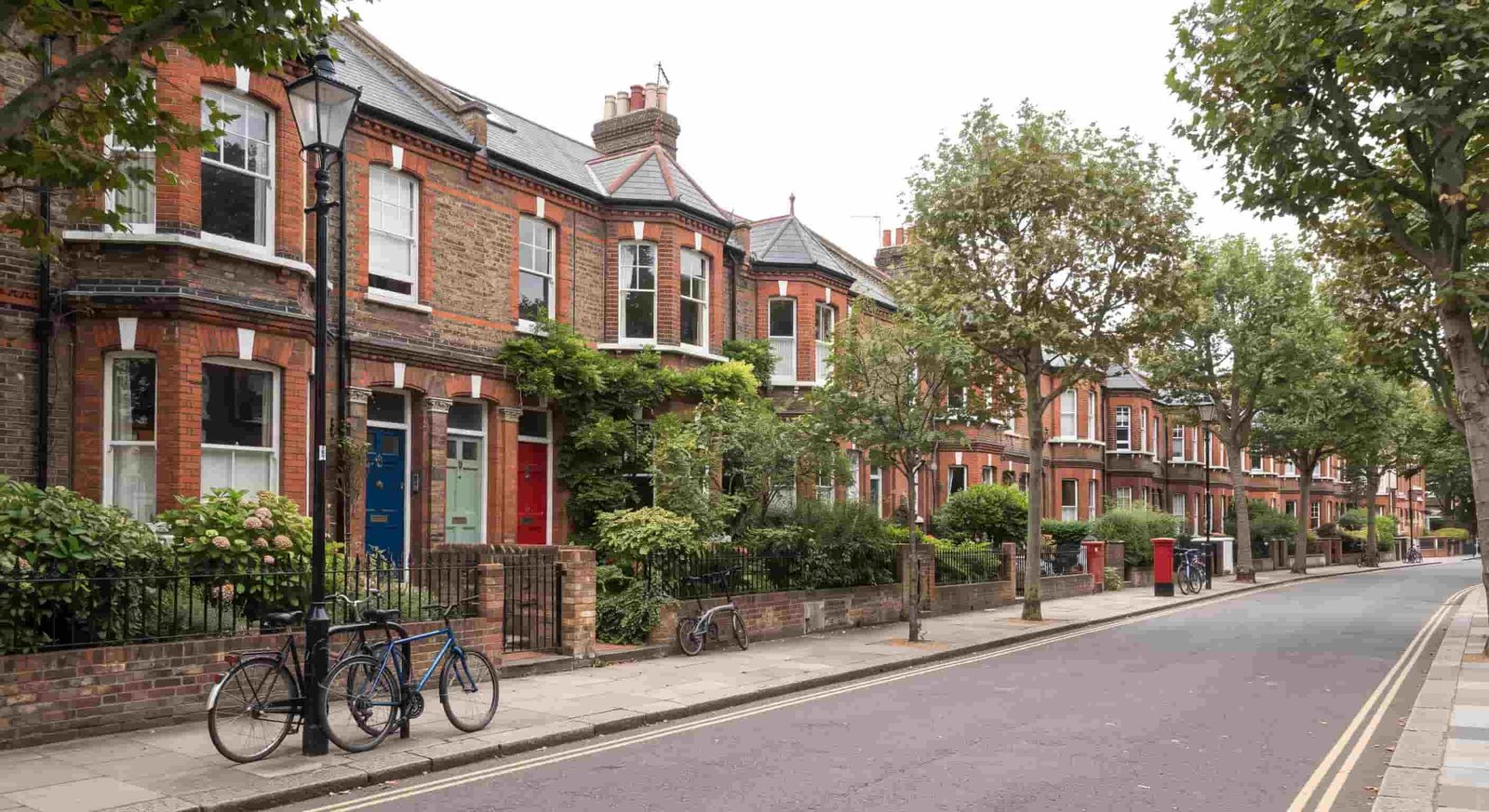
New Tenant Rules
The Renters' Rights Act changed how lettings work in England. The government roadmap confirms the new tenancy system "will come into force on 1 May 2026". That ended Section 21 "no fault" evictions.
A landlord database follows. The government's Housing Hub says it rolls out across England from 15 December 2026. Registration is mandatory and costs £65 per property each year. London landlords have until 14 October 2027 to register.
Tighter Lending Maths
Buy-to-let lenders are strict. MoneyHelper guidance says "you'll generally need a minimum of 25% of the property's cost as a deposit". Lenders also want rent of about 125% to 145% of the mortgage interest. They work this out at a higher rate than you will pay.
Tax adds pressure. Individual landlords can no longer deduct mortgage interest from rent. They get a 20% tax credit instead, under the Section 24 rules. From April 2027, property income rates rise to 22%, 42% and 47%, and that credit moves to 22%.
Property Investment UK for Beginners
Here are the two starting routes side by side. Neither is right for everyone, so match the route to your cash, your time and your appetite for risk.
The UK Route
Buy to let property investment UK suits beginners who want a market they know and a home they can visit. The trade-offs are the high cash needs, the stamp duty surcharge and a growing list of landlord rules. The stamp duty and tenant rules in this guide apply to England. Scotland and Wales have their own taxes and tenancy laws, so check them before you buy there.
The Dubai Route
Dubai is one route for foreign property investment UK residents can take. Under Dubai's Regulation No. 3 of 2006, foreign buyers can own freehold homes in designated areas. There is no UAE income tax on your rent.
Off-plan homes made up about 70% of Dubai sales in September, according to ValuStrat data reported by Economy Middle East. Dubai Law No. 8 of 2007 requires off-plan payments to go into a project escrow account. Read our off-plan rules before you pay any stage. Our buying process page covers each step in order.
Ownership can also bring residency. Khaleej Times and Gulf News reported a change in April 2026. A completed Dubai home in your sole name can support a two-year investor visa. Check current terms on official Dubai channels first. Larger budgets of AED 2 million, about £411,800, can qualify for the 10-year Golden Visa.
Dubai also carries risks that UK buyers often miss. Regional conflict that began in late February pushed values down. ValuStrat still shows them 4.5% lower in the year to September. The dirham is pegged to the US dollar. So pound moves change what your rent and sale price are worth.
One more catch for beginners: the 5% surcharge counts homes you own anywhere in the world. GOV.UK says it applies unless the new home is the only residential property worth £40,000 or more you own worldwide. So if you buy in Dubai first, a later UK purchase may carry the surcharge.
Still weighing both routes? Our London team helps first-time investors compare real numbers before they commit. This table compares the two routes for a UK resident:
|
What to Compare |
UK Buy-to-Let |
Dubai Apartment |
|---|---|---|
|
Who can buy |
UK residents, after lender checks |
Foreign buyers, in freehold areas |
|
Extra cost to buy |
5% stamp duty surcharge (England) |
4% DLD fee, usually paid by the buyer |
|
Latest price trend |
London: -3.3% (year to July 2026) |
Dubai homes: -4.5% (year to September 2026) |
|
Tenant rules |
New tenancy system in England since May 2026 |
Leases registered through Ejari |
|
Who taxes your rent |
HMRC |
HMRC only, with no UAE income tax |
Both markets softened this year, so the cash you need and the rules you face matter more than headlines.
Choosing Your Route
Choose the UK if you want to stay hands-on and can raise a large deposit. Consider Dubai if you have less cash and want freehold ownership abroad.
Property investment UK for beginners does not have to be one or the other. Our comparison of Dubai and London goes deeper. For a Dubai-first view, our UK team's Dubai investing basics walk through the first steps.
Tax Rules Beginners Must Know
If you live in the UK, HMRC taxes your rent and your gains, wherever the home is. For property investment UK for beginners, that one rule shapes real returns more than any yield figure.
UK Rental Tax
Each year, you report rent on a Self Assessment return once it passes HMRC's limits. You can claim GOV.UK's £1,000 property allowance or deduct real costs such as agent fees, repairs and insurance, but not both:
|
Tax |
UK Buy-to-Let |
Dubai Home (UK resident) |
|---|---|---|
|
When you buy |
Stamp duty plus the 5% surcharge |
DLD transfer fee and registration fees |
|
On your rent |
UK Income Tax, with a 20% mortgage interest credit |
UK Income Tax; no UAE income tax |
|
When you sell |
Capital Gains Tax at 18% or 24% |
UK Capital Gains Tax can apply |
|
Yearly allowance |
£3,000 tax-free gains |
The same £3,000 covers all your gains |
A Dubai home is not tax-free for a UK resident. It simply avoids a second layer of local income tax, and the Capital Gains Tax rates are the same for both.
Overseas Rent Rules
Rent from a Dubai home still goes on your UK tax return. Keep every rent statement, invoice and fee receipt from day one. Our page on letting from London explains how to rent out a Dubai home. This is general information, not tax advice.
Mistakes New Investors Make
Most beginner losses come from planning gaps, not bad luck.
Money Mistakes
Many first-time buyers budget for the price and forget the rest. Fees, empty months and taxes can turn a good yield into a loss.
Market Mistakes
Others buy the home they would like to live in, rather than the one tenants want. Our guide to the risks of buying covers more warning signs.
Here are six mistakes to avoid:
-
Full costs: Count stamp duty or DLD fees, legal costs and furnishing, not just the price.
-
No buffer: Keep cash aside for empty months and repairs.
-
Rent cover: Never assume rent will cover the mortgage without checking the lender's rules.
-
Tax blind spot: Plan for Income Tax and Capital Gains Tax before you buy.
-
Emotional buying: Choose the home tenants want, not your dream home.
-
Escrow checks: Never pay an off-plan stage outside the project escrow account.
A Simple Starting Plan
If you are wondering how to become a property investor, start small and start informed. A clear plan is the safest way into property investment UK for beginners.
Learn Before Buying
Spend a few weeks reading official guides and tracking local rents. Visit an expo to meet developers face to face.
Get Expert Help
A good adviser, a solicitor and a tax adviser cost far less than a bad purchase. Use them before you pay a deposit, not after. Follow these five steps in order:
-
Goal: Decide whether you want monthly income, long-term growth or both.
-
Budget: Set a firm limit, including fees and a cash buffer.
-
Market: Compare a UK buy-to-let with a home abroad.
-
Numbers: Work out yield, costs and tax for each option.
-
Advice: Check every step with qualified experts before you commit.
Take Your First Step
Property investment UK for beginners is about clear numbers, not luck. A London buy-to-let needs a large deposit and faces new rules. A Dubai starter home can need less cash, but it still sits inside the UK tax net.
Want to compare both routes with real figures? Our Dubai Property Expo London team can help you plan your first move. Register your interest, and we will guide you from there.
Frequently Asked Questions
What does property investing mean for beginners?
It means buying a home to earn rent, growth or both. Beginners usually start with one property, rent it out and hold it for years. The key is to know every cost before you buy.
What deposit does a first buy-to-let need?
Most lenders want at least 25% of the price. On the average UK home of £273,000, that is £68,250. In England you also pay stamp duty with the 5% surcharge, plus legal and survey fees.
Is property still a good investment in 2026?
It can be. UK rents rose 3.8% in the year to August 2026, but London prices fell, and new tenant rules add work. Returns depend on the price you pay and the costs you plan for.
Is it better to invest in property or stocks in the UK?
They suit different goals. Stocks let you start small, and you can invest up to £20,000 a year tax-free in an ISA. Property needs more cash but gives rent you can see and use.
How can I start investing with a small budget?
Start with property funds, a cheaper region or a lower-priced home abroad. In Dubai, our London expo features lower-priced starter homes. Always keep a cash buffer and avoid borrowing more than you can repay.
Can UK residents buy property abroad?
Yes. UK residents can buy homes overseas, and Dubai lets foreign buyers own freehold in designated areas. You still report the rent and any gains to HMRC while you live in the UK.
What changed for landlords in May 2026?
The Renters' Rights Act brought a new tenancy system in England on 1 May 2026. It ended Section 21 "no-fault" evictions. Property investment UK for beginners now means learning these rules before you buy.
Should a beginner buy through a limited company?
Some landlords do, because a company can deduct mortgage interest as a cost. But company mortgages, set-up costs and the tax on taking profit out all differ. Ask a qualified tax adviser before you choose.